What Is a Pepeha?
Last Updated on January 22, 2026
A pepeha is a traditional Māori introduction that connects a person to their ancestors, land, and community through references to mountains, rivers, tribes, and family. It is often recited during formal greetings or meetings to establish identity and foster connections.
Kia Ora from Aotearoa: All about Pepeha
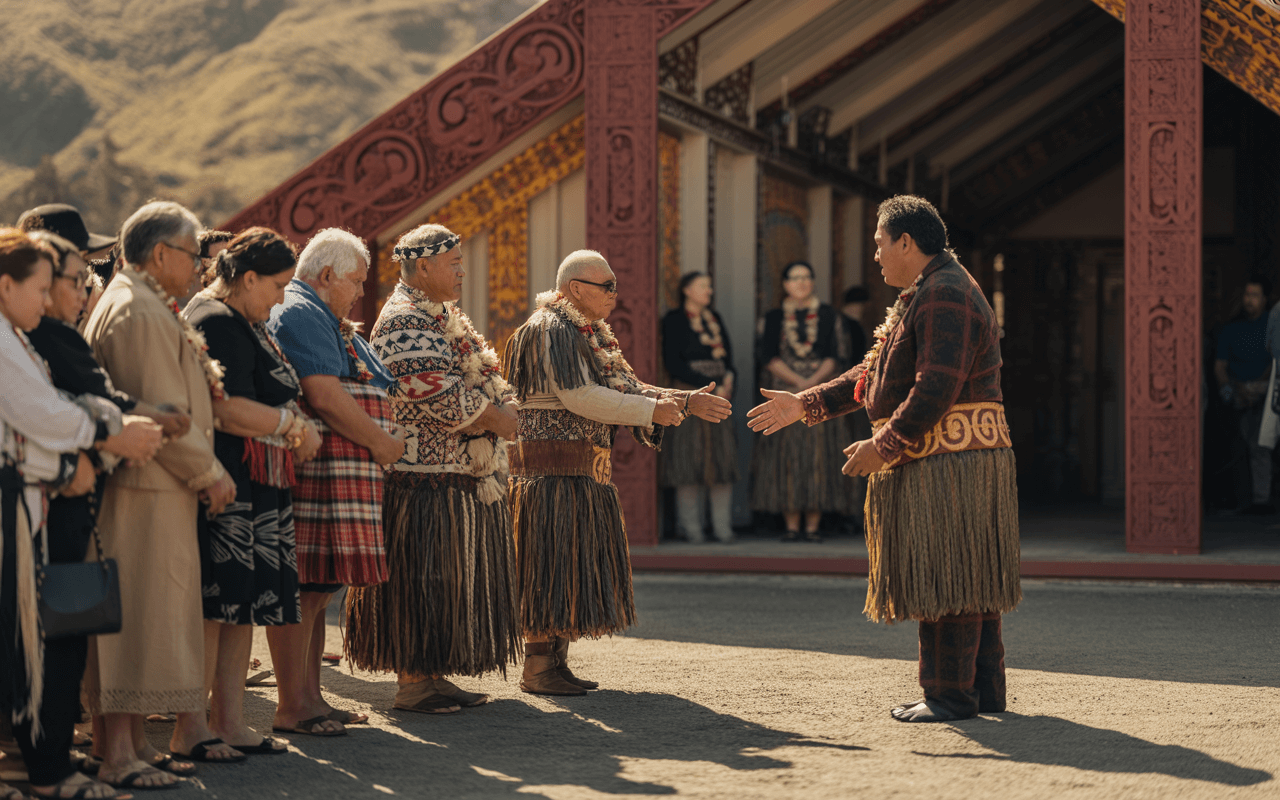
Kia ora, mate! I’m based here in New Zealand – Aotearoa to us locals – and I’m stoked you’re keen to learn about pepeha. It’s one of those beautiful parts of Māori culture that’s becoming more common in everyday life, whether at work hui (meetings), school events, or even casual catch-ups. As someone who’s grown up around this, I’ll break it down for you like we’re having a yarn over a flat white in Wellington or a barbie in the Bay of Plenty. Pepeha isn’t just words; it’s about grounding yourself in your whakapapa (genealogy) and the whenua (land) that shapes who you are. It’s a way to say, “This is me, this is where I stand,” and it helps build whanaungatanga (relationships) with others. Think of it as your cultural GPS – it shows your connections to the natural world, your iwi (tribe), hapū (sub-tribe), and whānau (family). It’s rooted in the Māori worldview where people are tangata whenua (people of the land), so reciting one honors your tūpuna (ancestors) and tūrangawaewae (place of standing).
How do you write a Pepeha?
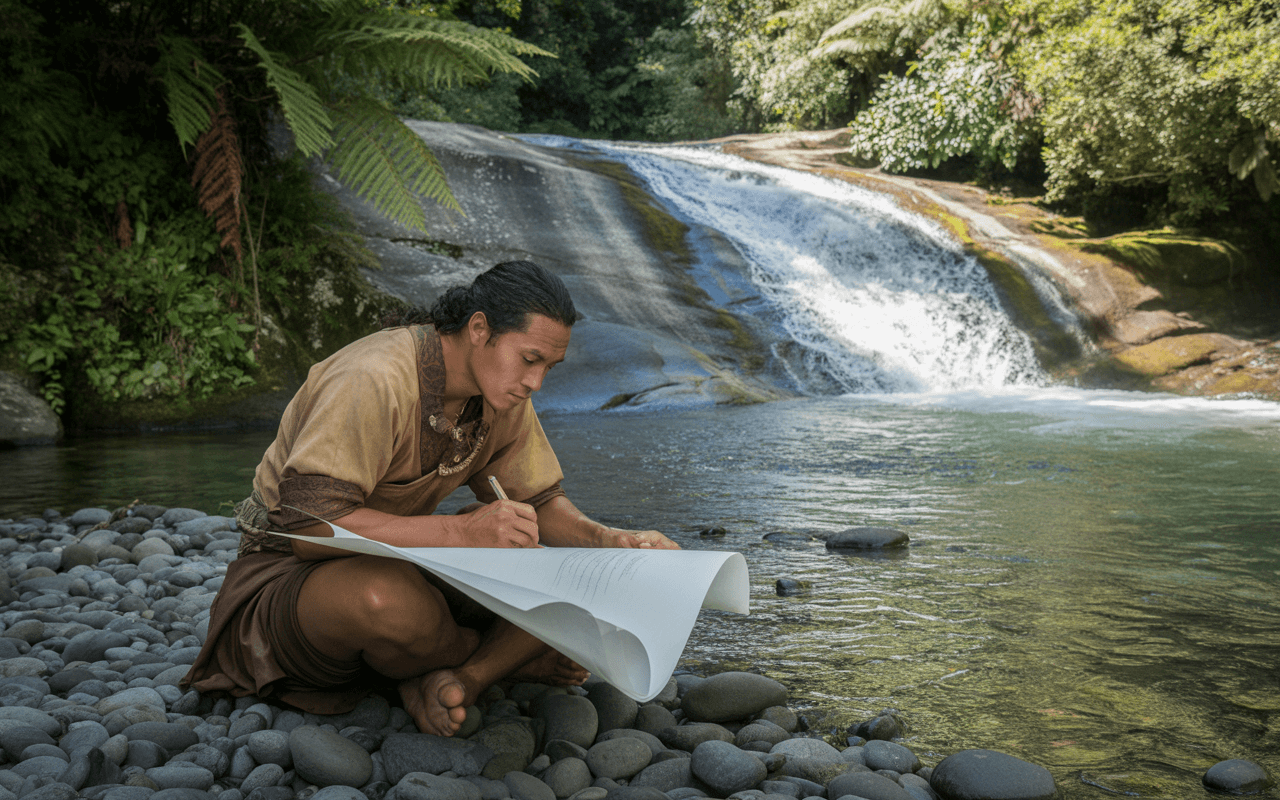
Writing a pepeha starts with researching your connections – talk to your whānau, kaumatua (elders), or use online tools to trace your whakapapa. The key is authenticity; don’t just plug in random places. Begin with the big picture (like your maunga or mountain) and narrow down to yourself. Identify your maunga (mountain), awa (river), moana (sea) or roto (lake), waka (canoe your ancestors arrived on), iwi, hapū, marae (meeting place), and then your whānau and name. Write it in te reo Māori for the full impact, but practice pronunciation – sites with audio guides are gold. If you’re stuck, jot down notes and refine it over time; it’s a living thing that can evolve as you learn more about your roots.
What is the correct order of pepeha?
The correct order follows a traditional structure that’s like a story from the cosmos down to the personal. It often starts with a greeting, then your maunga (mountain), awa/roto/moana (water body), waka (ancestral canoe), tīpuna (ancestor), iwi (tribe), hapū (sub-tribe), marae, place of origin, parents or whānau, and ends with your name. This reflects the Māori creation narrative – starting with the ancient (land features) and descending to the present (you). Some iwi have variations, so check with locals if possible. For example, it might go: Ko [maunga] te maunga (The mountain is…), then Ko [awa] te awa, and so on, building connections layer by layer.
Template for Pepeha
Here’s a basic template – fill in the blanks with your details:
Tēnā koutou katoa (Greetings to you all)
Ko [your mountain] te maunga (The mountain is…)
Ko [your river/lake/sea] te awa/roto/moana (The river/lake/sea is…)
Ko [your waka] te waka (The canoe is…)
Ko [your ancestor] tōku tīpuna (My ancestor is…)
Ko [your iwi] tōku iwi (My tribe is…)
Ko [your hapū] tōku hapū (My sub-tribe is…)
Ko [your marae] tōku marae (My marae is…)
Nō [your place of origin] ahau (I am from…)
Ko [your parents’ names] ōku mātua (My parents are…)
Ko [your name] tōku ingoa (My name is…)
This is a solid starting point, but it’s flexible – some folks add more whakapapa or skip bits if they’re not relevant.
What about Pepeha for non-Māori?
Absolutely, non-Māori can have a pepeha, and it’s encouraged here in NZ as a way to engage with te ao Māori (the Māori world). But it needs to be respectful and not mimic the tangata whenua structure exactly, to avoid cultural appropriation. Instead of claiming “my mountain” (which implies whakapapa ownership), use phrasing that acknowledges your heritage and current connections. For example: Start with your ancestral country (like Ko Ingarangi te whakapaparanga mai – My ancestry is from England), then your place of birth, where you live now, and end with your name. It’s about showing you’re a guest on this land and building bridges. If you’re Pākehā or tauiwi (non-Māori), tools like Pepeha.nz can help adapt it.
What is the website Pepeha.nz?
Pepeha.nz is a fantastic website created to make pepeha accessible for all Kiwis. It’s a free online tool where you input your connections – like your maunga, awa, iwi – and it generates a personalized pepeha in te reo with pronunciation guides and audio. You can download a low-res version for free or pay for high-res prints or framed taonga (treasures) to display at home. It’s all about encouraging everyone to learn their stories and share them proudly, whether you’re Māori or not. Delivery’s NZ-wide, and it’s super user-friendly for beginners.
Mihimihi vs Pepeha
Mihimihi and pepeha are related but not the same. A mihimihi (or mihi) is the overall process of introductions at a hui, where people stand, greet, and share about themselves. It’s like the big picture, often including acknowledgments, thanks, or even karakia (prayers). Pepeha is a specific part of that – your personal intro focusing on whakapapa and land ties. Think mihimihi as the event, pepeha as your script within it. In casual settings, folks might just do a quick mihi without a full pepeha.
Pepeha for adults
For adults, a pepeha tends to be more detailed and formal, weaving in deeper whakapapa like multiple ancestors or hapū links. It’s used in professional or ceremonial contexts to establish authority and connections – like at a marae pōwhiri (welcome) or job interview. Adults might expand it with stories or proverbs to show maturity and respect for tikanga (customs).
Pepeha for kids
Pepeha for kids keeps it simple and fun to build confidence in te reo. Focus on basics: their maunga, awa, iwi, whānau, and name. Schools here often teach it with drawings or songs – like “Ko [mountain] te maunga” with a picture. It helps tamariki (children) feel connected without overwhelming them, and it’s a great way to celebrate identity early on.
Family Pepeha
A family pepeha is a shared one for your whānau, highlighting common ties like a collective maunga, awa, iwi, and marae. It’s perfect for events where the family presents together, emphasizing unity. You might start with the tūpuna and branch to current members – it’s like a group bio that strengthens bonds.
Advanced Pepeha vs simple version and why?
A simple pepeha sticks to the core template – maunga, awa, iwi, etc. – and is great for beginners or quick intros. It’s straightforward, easy to memorize, and focuses on essentials to avoid mistakes. An advanced pepeha, or karapipiti (embellished), adds layers like more whakapapa details, whakataukī (proverbs), or historical stories. The difference exists because the simple version keeps it accessible and respectful for learners, while the advanced one shows deeper knowledge and is used in formal or wānanga (learning) settings to honor full heritage. It evolves as you grow in understanding – start simple, then level up!
Related: