Top Dive Spots in the Philippines for Stunning Underwater Photos
Last Updated on December 10, 2025
The Philippines feels like a dream for divers—thousands of islands and wild sea life packed into one spot. Like learning the Pusoy way, snapping great underwater shots takes time, focus, and watching small things closely—not rushing. Instead of just diving, think of it as exploring: corals glow here, tiny creatures pop with color, big ocean animals glide by, and sunken ships hide below. Newbie or pro, every site gives you fresh chances to make better photos without copying what everyone else does.
1. Anilao, Batangas – The Macro Wonderland
Anilao is where underwater photo culture kicked off in the Philippines. Only a short trip from Manila, this spot draws folks who love snapping tiny sea life. Shallow coral patches and loads of little creatures while water stays still—a great combo for tight-focus pictures. You’ll likely see nudibranch, weird-looking frogfish, or those thin ghost pipefish creeping around. When you dive at golden hour, wide scenes pop—the fading sun makes reef hues come alive.
Tip: Use a close-up lens with a bright flashlight. Take your time—tiny critters crawl at a snail’s pace yet blend right into their surroundings.
2. Tubbataha Reefs Natural Park – The Pelagic Playground

Photographers who want big underwater scenes won’t find anything like Tubbataha Reefs. Sitting right in the center of the Sulu Sea, this place earned UNESCO status because of sharp visibility, towering coral cliffs, and tons of sea creatures. You’ll see clusters of fish, reef sharks swimming by, and sometimes manta rays gliding past—perfect setups for wide shots. While it’s harder to reach and has tough water movement, making it better suited for seasoned divers, what you get in return beats nearly every other dive spot.
Tip: Dive between March and June—the best time if you want clear water plus a shot at spotting open-ocean creatures.
3. Malapascua Island, Cebu – Home of the Thresher Sharks
Malapascua draws photo lovers thanks to thresher sharks seen nearly every day at Monad Shoal. With sleek bodies and sweeping tails, they’re perfect for dramatic wide-angle pics. Besides that, the island’s coral spots teem with tiny sea life ideal for close-up fans. When the sun drops, night dives turn wild—frogfish pop up, along with colorful little shrimps.
Tip: Try wide-angle lenses when shooting thresher sharks—macro ones work better for tiny coral creatures. Head out at dawn if you want a real shot at getting near the sharks.
4. Apo Reef, Mindoro – The Reef Explorer’s Dream
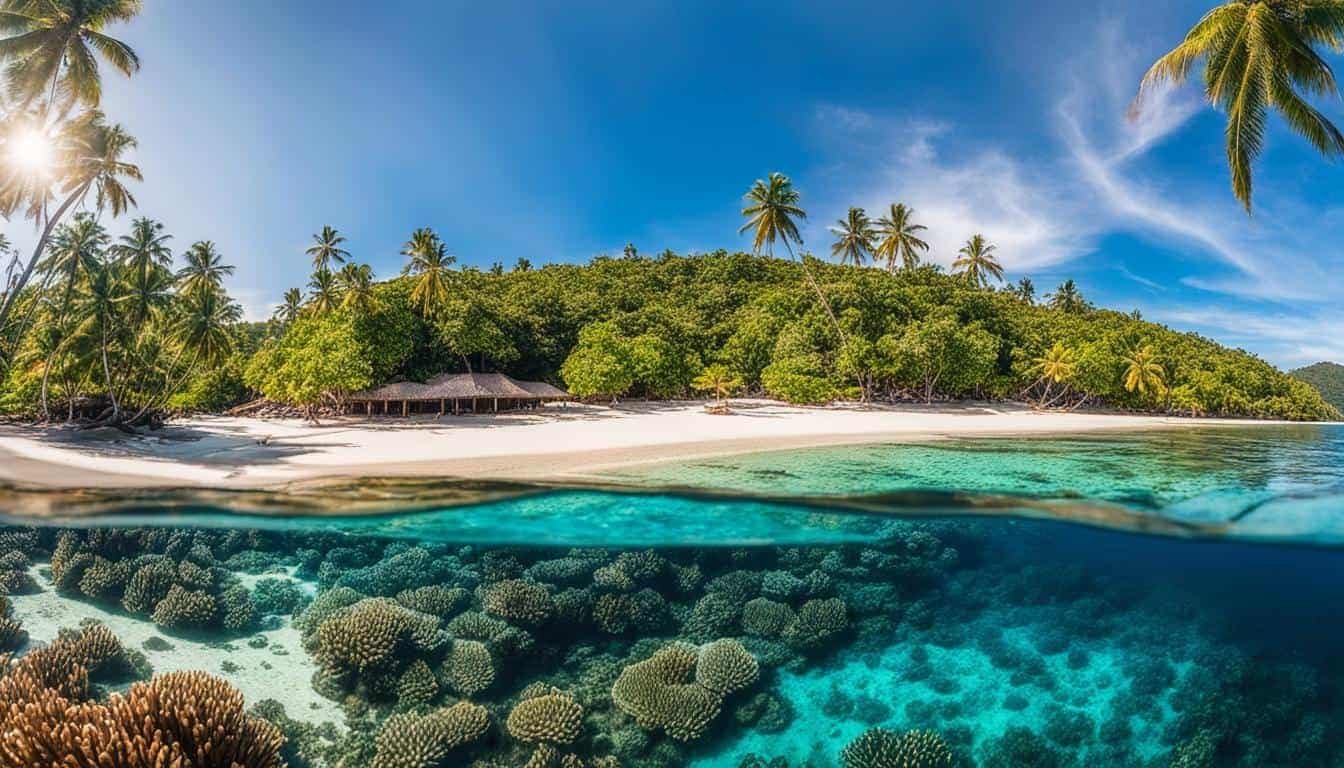
Apo Reef ranks among the biggest atolls on Earth, offering awesome photo spots for close-up or broad underwater scenes. Instead of crowds, you’ll find lively coral cliffs packed with tropical fish, barracudas, and even rare mantas now and then. Bright sunlight cuts deep into the clean water, making noon dives perfect for capturing sharp images. Since it’s a safeguarded sea zone, critters thrive here—no stress from swarms of tourists messing things up.
Tip: Grab a wide-angle lens along with a strobe to snap vibrant shots of the reef walls. Since drift diving happens often here, get ready to go with the flow of the current.
5. Dumaguete & Dauin, Negros Oriental – Muck Diving Paradise
Photographers who love odd underwater scenes will enjoy Dumaguete and nearby Dauin—these spots rank among the top muck diving zones in the country. Black sandy floors hide uncommon tiny creatures such as mimic octopuses, seahorses, or vibrant sea slugs. Ideal for tight shots and up-close work, these locations also encourage slow watching while trying out fresh angles.
Tip: A close-up lens plus a small flashlight make a big difference. Moving gently—without rushing—keeps little animals from fleeing.
6. Coron, Palawan – Wreck Diving Heaven
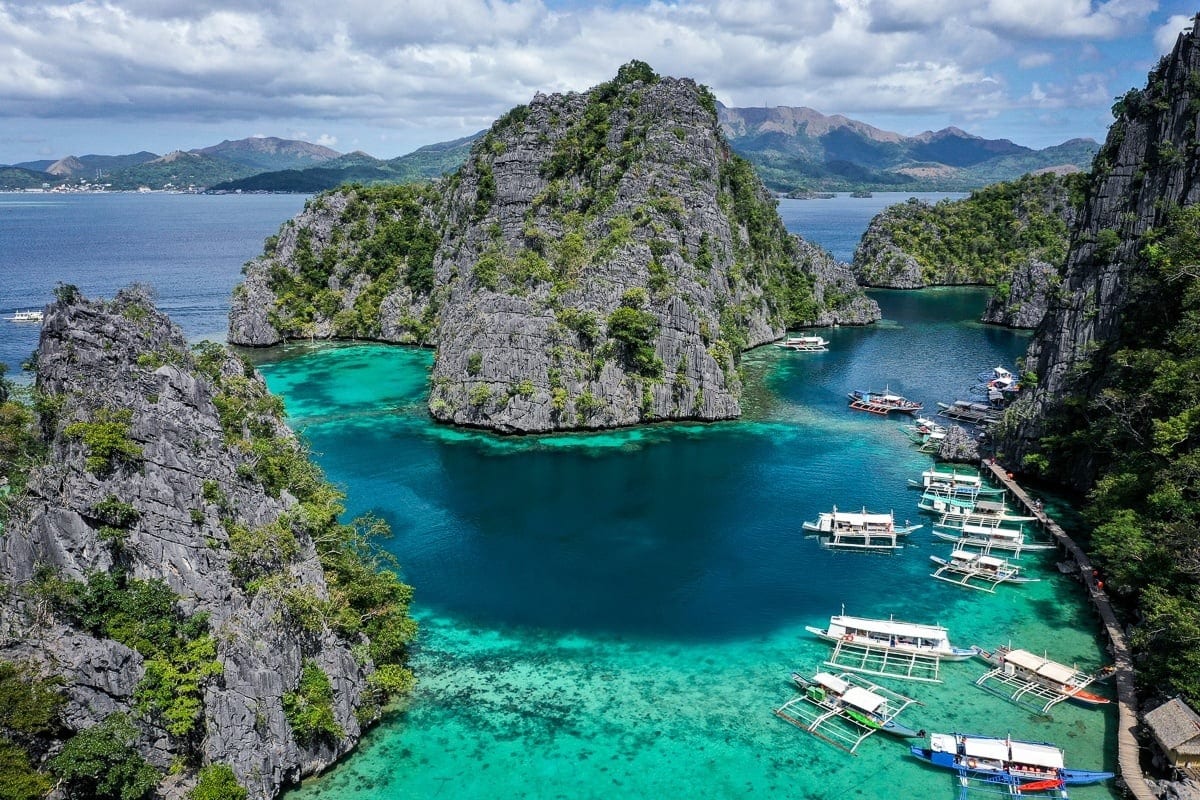
Coron is perfect for shutterbugs chasing shipwrecks. This spot’s packed with old Japanese vessels sunk during WWII—now acting like homes for sea creatures. Big-frame lenses show off wreck outlines in bold shapes against blue water. Inside those hulls, shadows and light play tricks that spark cool photo ideas. History mixed with coral-covered metal plus uneven ocean floors turns this place into a visual feast for anyone snapping pics below the surface.
Tip: Bring a wide-angle lens—also pack spare strobes. Watch how deep you go while checking inside wrecks, since visibility can change fast.
7. Puerto Galera, Mindoro – A Classic Underwater Photography Hub
Puerto Galera still draws divers who love snapping pics below the waves—no matter their skill level. Thanks to countless spots beneath the surface, from calm shallows to steep drop-offs, there’s plenty to explore. If you’re into close-up shots, you’ll spot loads of small sea life hiding around. Those who prefer big scenes get vivid coral patches plus groups of bright fish swirling together. When the sun goes down, night trips show off shrimp, crabs, and other little animals that only come out after dark.
Tip: Go on weekdays if you want fewer people around. Bring a wide-angle lens along with a macro one so you can snap different kinds of shots.
8. Moalboal, Cebu – The Sardine Run Spectacle
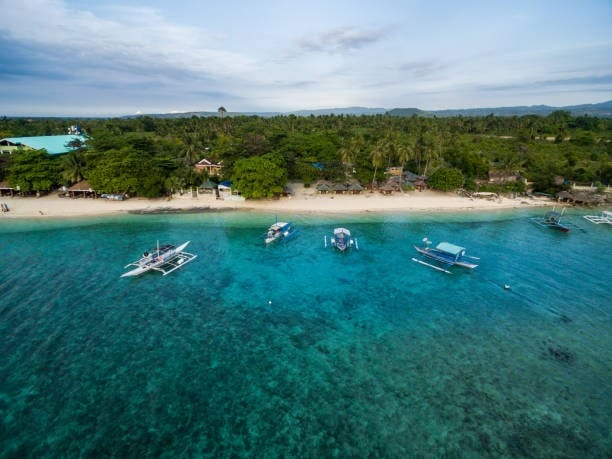
Moalboal’s known for a wild show—countless sardines twist into huge spinning groups beneath the waves. That kind of scene pulls awesome shots from far back. Just around the corner, Pescador Island brings bright corals to the table, sometimes with sea turtles or small sharks hanging near the rocks. Diving here works whether you’re just starting out or have years under your belt, so snapping fast-moving moments or peaceful reef scenes feels doable either way.
Tip: Try diving early—light’s best at sunrise. Go for a broad lens to catch more action.
Tips for Capturing Stunning Underwater Photos in the Philippines
- Time your trip by season: sights and sea creatures change with the months. Look into which times work best for every spot.
- Grab the right equipment, like wide-angle or macro lenses, plus strobes; also use focus lights to snap different scenes.
- Stay calm: lots of big details need you to sit tight while watching closely.
- Go early or around noon: that’s when sunlight hits reefs just right. Sunlight from above makes colors pop underwater. Try diving before afternoon, since shadows grow longer later. Bright skies help you see details on coral better. Skip cloudy days if possible—less glare means clearer views.
- Leave sea life alone: don’t touch coral or bother animals while sticking to responsible diving habits.