500 New Zealand schools named for rooftop solar rollout
Last Updated on August 12, 2026
Five hundred schools across New Zealand, including 80 in the Auckland region, have been selected to receive solar panels under a $30 million government programme aimed at cutting power costs and boosting energy resilience in schools.
Energy Minister Simeon Brown and Education Minister Erica Stanford announced the list on Thursday at Te Papapa School in Auckland, which was the first school to have panels installed as part of a pilot for the Solar on Schools programme. The programme was announced as part of Budget 2026 and is funded jointly through $20 million from the Energy Efficiency and Conservation Authority’s Community Renewable Energy Fund and $10 million from the Ministry of Education.
Of the schools chosen nationwide, 340 are in the North Island, 157 in the South Island and three in the Chatham Islands. Brown said the announcement moves the programme “from planning into delivery” and would help lower power costs for schools while supporting regional and local trades businesses.
“The announcement not only provides certainty to schools across the country who are eager to get on with adopting solar power, it will support regional and local businesses and presents a significant opportunity for the industry to build capability and showcase the value of smart energy technologies,” Brown said.
How schools were chosen
The Ministry of Education says schools were selected because they face energy or fuel insecurity, are dealing with higher energy costs, are due for gas or diesel boiler replacements, or need greater energy resilience. A full list of the 500 eligible schools is now published on the Ministry of Education’s website, though participation will only be confirmed after an on-site assessment to check each site is suitable for solar.
Installation is expected to take place over three years. Up to 150 schools will also receive energy management systems, and a smaller number will get batteries, with those going to schools where officials expect the greatest savings and community resilience benefits.
What schools stand to save
Stanford said the programme makes use of buildings schools already have, reducing their environmental footprint while keeping more money in school budgets over time.
“Large schools are expected to save around $8,000 a year on average on electricity, freeing up money that can be spent on teaching and learning,” she said. She added that the rollout would also give students “a real-world example of renewable energy in action” at their own school.
“By generating more clean, renewable energy on school rooftops, we can cut schools’ electricity use from the grid, reduce emissions, and lower their power bills at the same time,” Stanford said.
Auckland’s share and next steps
Auckland has the largest regional allocation in the country, with 80 schools selected, ranging from smaller systems up to the largest size category on offer. Wellington (52 schools) and Waikato (47) have the next-largest allocations, while Canterbury has 71.
An Expression of Interest is now open on the Government Electronic Tenders Service, seeking solar system planners, designers and installers to carry out the work nationwide. The regional breakdown released alongside the announcement shows system sizes will vary by school, from smaller 10kW installations, the most common size at 294 schools, up to larger 110kW systems earmarked for 33 schools around the country.
Source: Beehive.govt.nz.
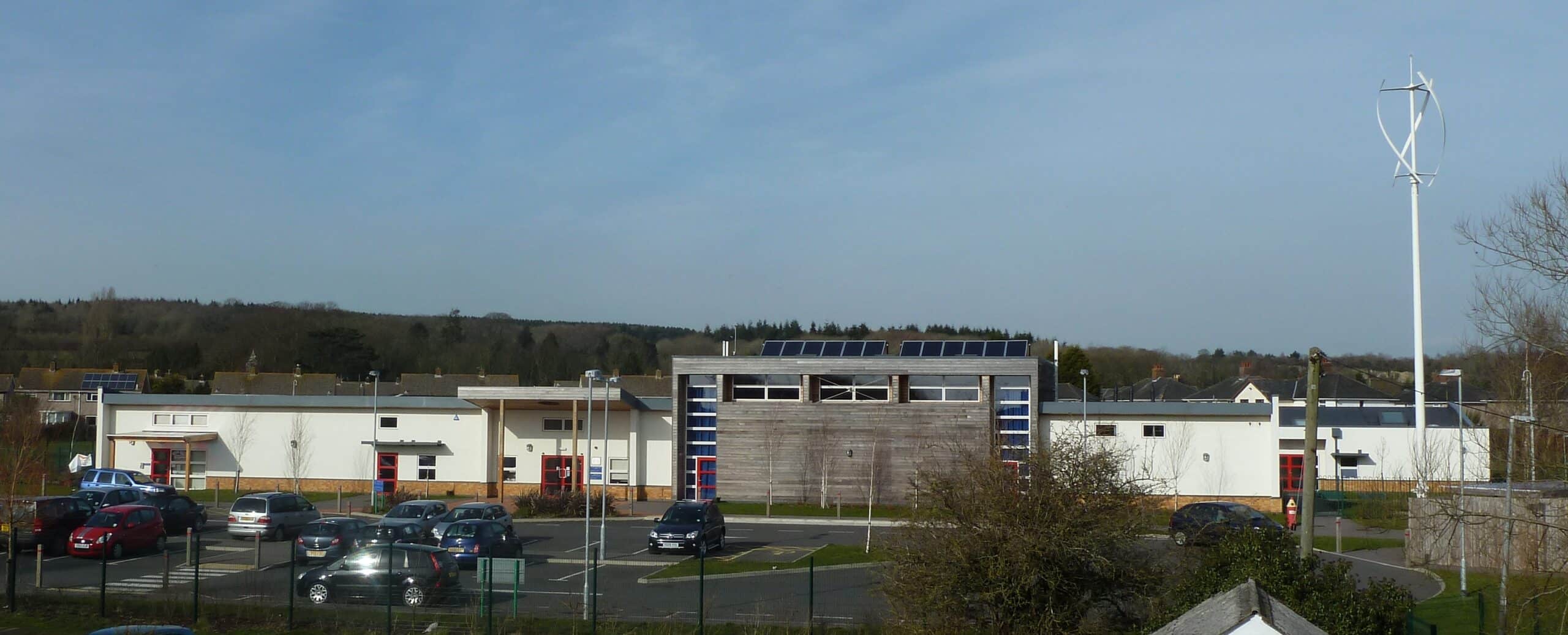
Photo: “Rogiet primary school, March 2012” by Andy Dingley, CC BY-SA 3.0, via Openverse.