NZTA unveils 30-year strategy to ease congestion on Auckland’s motorways
Last Updated on August 26, 2026
The NZ Transport Agency has published a long-term strategy for Auckland’s motorway network, aimed at squeezing more capacity out of existing roads rather than continuing to widen them, according to Beehive.govt.nz.
Transport Minister Chris Bishop and Auckland Mayor Wayne Brown announced the Auckland Motorway Strategic Plan (AMSP) together, describing it as a roadmap for managing traffic as the city’s population grows past two million people over the next three decades or more.
Bishop says the motorway network carries around 1.5 million trips a day and is critical for moving people and freight around the region. But with many sections already widened “as much as is practical,” he says the focus now needs to shift toward smarter management and targeted spending rather than large-scale construction.
Three-part approach
The plan sets out three core outcomes NZTA wants to pursue over the coming decades:
- Optimising the existing network, through smarter traffic management, faster responses to crashes and breakdowns, small-scale improvements, and the rollout of Time of Use Charging.
- Targeted increases in capacity, adding extra lanes or space only where bottlenecks are hurting efficiency, progressively building rapid transit, closing gaps in walking and cycling routes where they cross motorways, and prioritising projects that address resilience risks.
- Wider system improvements, including boosting public transport capacity, upgrading the rail network, and improving local roads and active transport options, so fewer trips need to rely on the motorway at all.
Bishop frames this as part of a broader government push on freight efficiency, network resilience and economic growth, and stresses that motorways are only one piece of Auckland’s transport system. “Keeping Auckland moving means making sure roads, public transport, walking and cycling connections all work well together,” he says.
Not a construction programme
Mayor Brown describes the plan as another output of the Auckland Regional Deal between the council and central government, and says it reflects his own preference for “low-cost fixes” over expensive new construction.
He’s explicit that the document doesn’t commit any money or set out a build schedule. “This isn’t a construction programme or a funding announcement,” Brown says. “It’s a long-term strategy that will help shape future investment decisions as Auckland continues to grow.”
Brown also argues that continually widening motorways isn’t a viable long-term answer, and that the bigger gains will come from making better use of what already exists, alongside “small, sensible projects” and closer coordination between roads, public transport and freight networks.
What happens next
The AMSP will feed into Auckland’s upcoming 30-year statutory transport plan, a document required under law that sets the region’s long-term transport direction. Any specific projects identified in the strategy will still need to go through separate regional and national planning, funding and delivery processes before they can proceed.
According to the notes accompanying the announcement, investment decisions arising from the plan will compete for funding through the National Land Transport Fund and will need to align with the Government Policy Statement on Transport. Projects that clear those hurdles would then be added to the National Land Transport Programme, the mechanism through which transport spending across the country is actually allocated.
For Aucklanders stuck in daily traffic, the immediate practical effect is limited: no new lanes or projects have been funded through this announcement. What has changed is the framework officials will use to decide where future spending on the motorway network goes, with an emphasis on management and targeted fixes rather than wholesale widening. The full plan is available on NZTA’s website.
Source: Beehive.govt.nz.
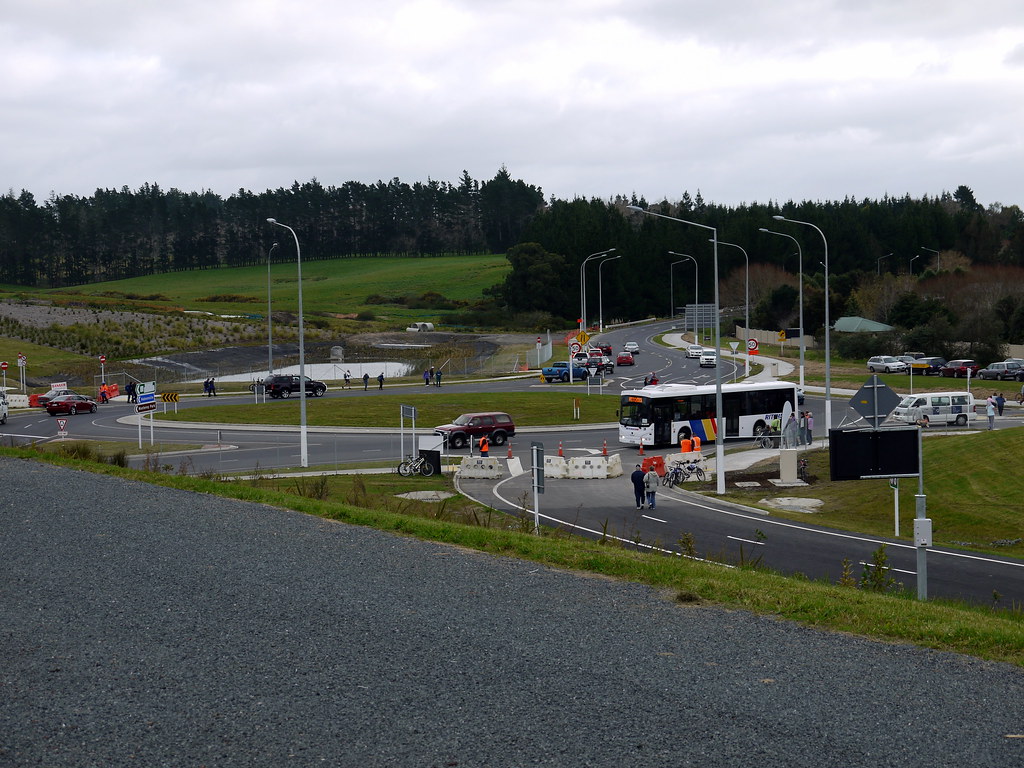
Photo: “Traffic at Brigham Creek” by Yortw, CC BY 2.0, via Openverse.